

Tag: werc
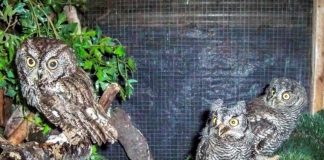
Owlivia teaching owlets everything they need to know
“Are you my mother?” the two downy little owlets appear to be asking Owlivia (left). Alas, Owlivia, WERC's non-releasable educational screech owl, can only be a surrogate to the babies who were orphaned last month and will never see their real mommies again.
Who you gonna call?
Those of us who are old enough to remember the “Ghostbusters” film from 1984 recall this catchy refrain. Who are you going to call for help when your house is haunted? Ghostbusters!
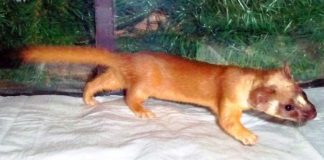
Feelin’ a bit ‘weasely’
Since 2005, I've been writing monthly tales about the animals that have been cared for at the Wildlife Education and Rehabilitation Center in Morgan Hill. Eagles, owls, hawks, falcons, song and water birds, opossums, bobcats, rabbits, turkey vultures and snakes have been featured. But it took all these years to have a repeat of the very first “Animal of the Month” – a long-tailed weasel. The original was a healthy but hungry six-inch long orphan found abandoned in San Juan Bautista. WERC's latest arrival had a much more inauspicious circumstance: it was caught by a cat in a Gilroy resident's backyard and suffered puncture wounds on his head. It was feared the tussle might have caused grave trauma to the weasel's spinal cord, possibly paralyzing the back legs.
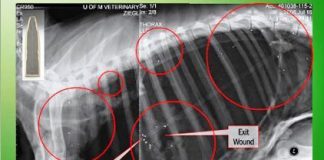
Lead: A toxic threat to wildlife and humans
Lead is a naturally occurring metal and has been around since the earth was created. Why all the fuss about its toxicity?
It’s official: Baby animal season is here
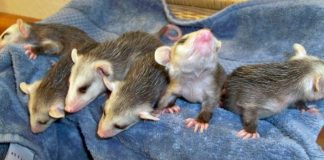
Welcome the first babies of the Wildlife Education and Rehabilitation Center's “baby season” – six tiny opossums just four-inches long (not counting their tail), all under 50 grams (the weight of two AA batteries) when they arrived with their eyes still closed. They were found on the ground in Gilroy, possibly abandoned because their mother had been killed or maybe she had simply left them for a short time while she foraged for food.
Butterflies make comeback on Coyote Ridge
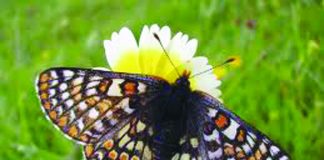
Coyote Ridge, the hills east of U.S. 101 near Coyote Creek Golf Club, is once again ablaze with native wildflowers. Public tours are offered by docents from the Santa Clara County Open Space Authority (www.openspaceauthority.org ). I can tell you from experience that the hike is well worth the sight of the flowers and the breathtaking views of the Santa Clara Valley.
How to protect wild babies
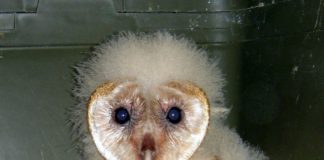
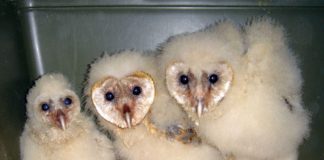
March 20 heralds the arrival of spring and nature is blooming with new life, both floral and faunal. Nesting season also begins and typically continues through August. Unfortunately, every year the Wildlife Education and Rehabilitation Center and other wildlife rehabilitation facilities across the nation receive thousands of baby birds, rabbits and tree squirrels because they have lost their nests or been injured due to yard and home maintenance, such as these three little barn owlets who were knocked out of their nest in a palm tree that was being pruned.

A year for pine siskins, red crossbills and red-breasted nuthatches
A what year for what? Many of our feathered friends from Canada are enjoying the relative warmth, sunshine and especially the abundant food of South Valley this winter.
Herring gull rescued from blood-sucking leeches
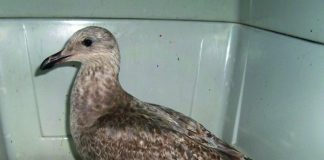
The first person who called the Wildlife Education and Rehabilitation Center last month to report an injured juvenile herring gull in Gilroy thought the bird had been shot in the face with a pellet gun. A short while later, another call was received about the same gull from a person who believed it to have been hit head-first by a vehicle.

Imprinting – it’s not a good thing
Every summer and fall the Wildlife Education and Rehabilitation Center in Morgan Hill receives calls from well-meaning people who have taken in an orphaned baby animal (often a bird) in the spring, and raised it in their home. The animal is now grown up and the caller wants to know where and how it should be released.