

Tag: werc
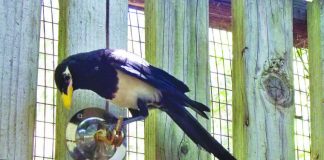
Yellow-billed magpie thrives with proper diet
Do not feed the birds … hamburger, spaghetti, Cream of Wheat, filet mignon, mashed potatoes.

Injured falcon found in field
’Twas the fortnight before Christmas when Steve Johnson was putting up festive Christmas decorations outside his home in San Martin and witnessed something strange going on in the field next door. Walking over, he discovered an injured juvenile peregrine falcon on the ground, with some turkey vultures circling it with curiosity. Steve rescued the 15-inch long raptor and brought it to the Wildlife Education and Rehabilitation Center.
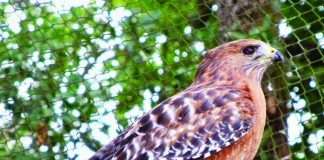
Injured hawk recovers, is released
One of our local avian citizens has some wonderful people for whom to be thankful this year. At a field near downtown Morgan Hill last month, it's believed that this red-shouldered hawk was being attacked by a pair of much larger red-tailed hawks, who knocked the competing red-shoulder to the ground and badly bruised her wing. After being rescued and transported to the Wildlife Education and Rehabilitation Center, the hawk's exam showed that the right wing had painfully limited extension and the hawk could not stand well, but instead would totter over onto her side. A more visible and serious injury was feared – her left eye was covered by thick mucus surrounding the cornea. WERC staff cautiously cleansed the eye with warm water, which moved the tip of a foreign object into view. With tweezers, two foxtails were delicately removed from under the top eyelid and from the inner corner of the eye. Apparently, the hawk's desperate flailing on the weed-covered ground had allowed the offending foxtails to enter the eye, causing the secondary injury.
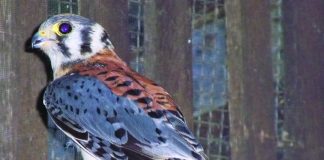
American kestrel takes flight
Like an autumn leaf gliding on a breeze, a male kestrel gracefully floats over the bare field, waiting for a glimpse of an appetizing field mouse. His chestnut-colored back and tail and silvery-gray wings make him one of the most colorful of the raptors, a beautiful sight against a dreary October sky.
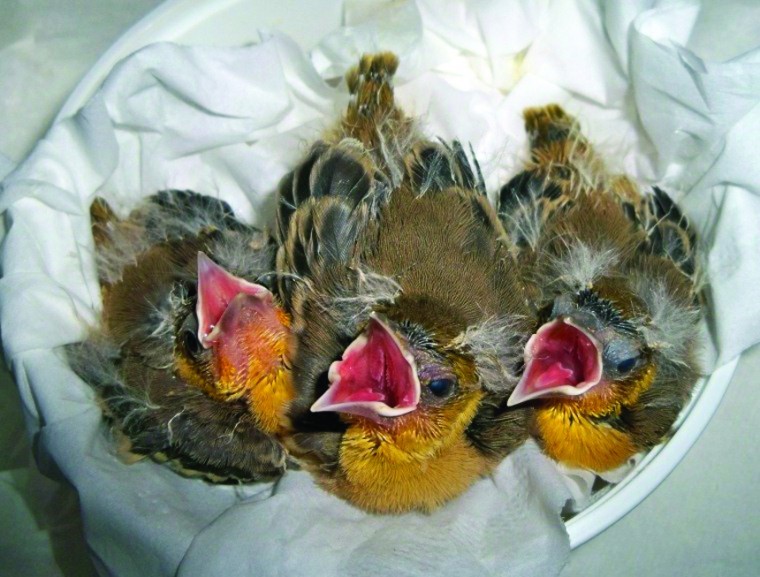
Orioles could be Giants fans
The Baltimore baseball team may have the orange and black colors of their namesake bird, the Baltimore oriole, but these baby Bullock's orioles, which (if they're male players) will also grow up to sport bright orange breast feathers and black caps, appear to be cheering on their own local team, the San Francisco Giants.

Animal ‘Olympians’ win medals of their own
Faster, higher, stronger. The best human athletes in the world, many of them from California, have proven their worthiness of an Olympic medal. But there are other “athletes” all around us – our local native wildlife includes some with amazing feats worthy of a medal, and in fact, one of them already holds a world record. These are among the best of the best we have worked with at the Wildlife Education and Rehabilitation Center:

Common poorwill mistakenly ‘saved,’ brought to WERC
Garlic ice cream, garlic Jelly Bellies, garlic cheesecake, garlic grasshoppers. Well, maybe the last won’t be offered at the Gilroy Garlic Festival (July 27-29) this year, but who knows? The parents of this unusual little baby bird just might have acquired a taste for spicy bugs when they set up “housing” next door to a Gilroy garlic stand.
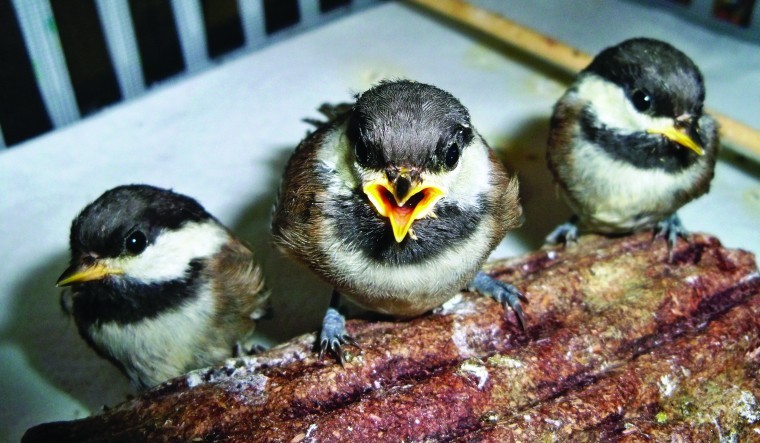
Three little chickadees …
“Four little chickadees singing in a tree, One flew away and then there were three. Chickadee, chickadee, happy today. Chickadee, chickadee, fly away.” – Lyrics by Peter and Ellen Allard
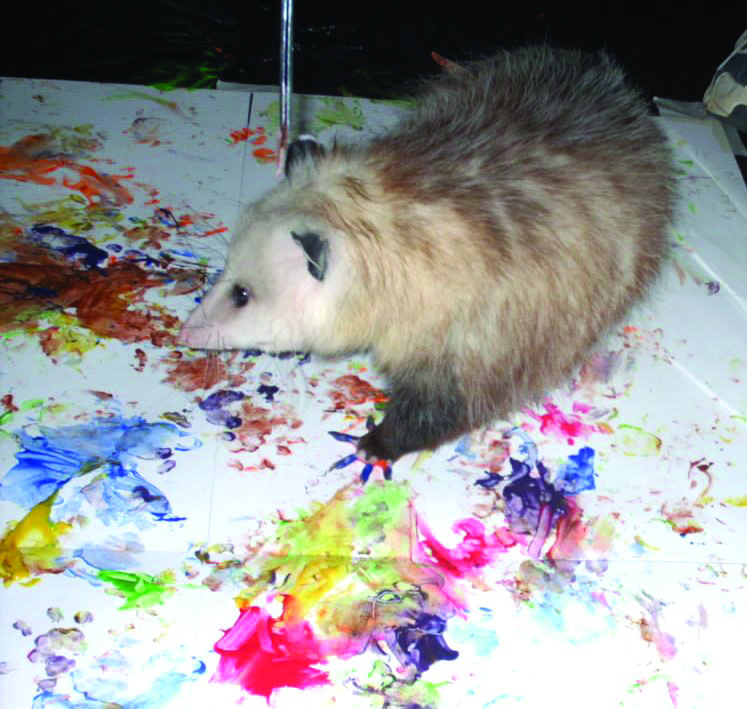
Animal artwork raises funds, creates awareness
They’re not paintings of animals, but paintings by animals. Koko the gorilla, Elepha the elephant, Jello the penguin and Koopa the turtle are just a few of the animal kingdom’s Picassos, Monets and Pollocks. These are animals who actually paint by beak, mouth, paw, flipper or trunk. Some can actually hold a paint brush and others create art hands-on in the same way that children fingerpaint.
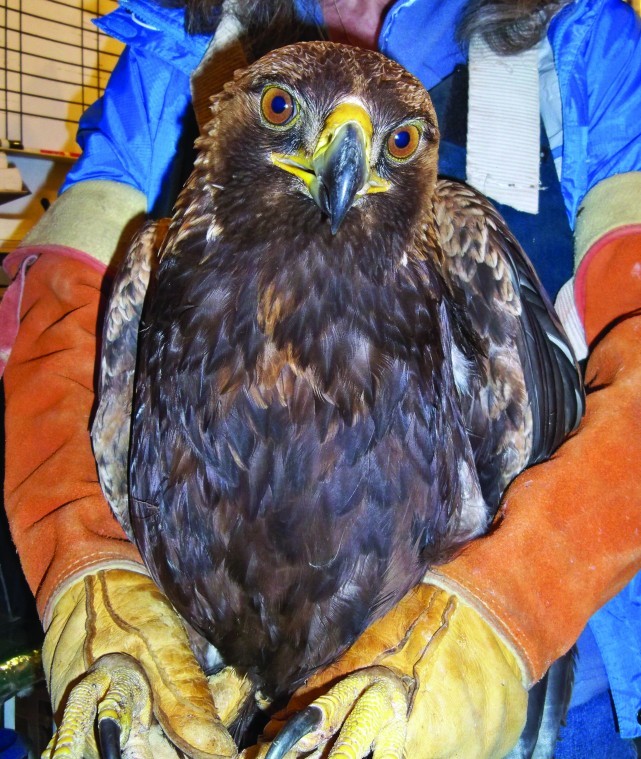
The eagle has landed – at WERC
On Feb. 28, the Wildlife Education and Rehabilitation Center received a call from Almaden Quicksilver County Park in San Jose about an adult golden eagle found struggling on the ground and powerless to fly away.