

Tag: werc
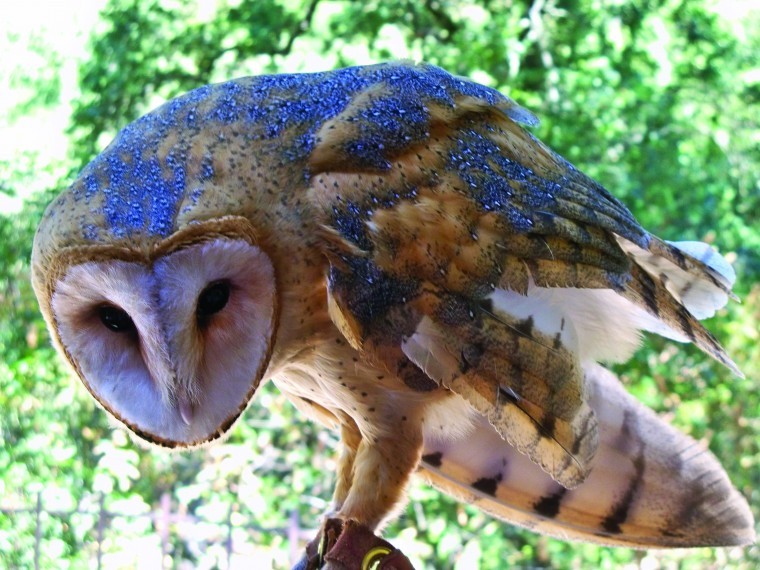
Barn owls are beneficial to everyone
Owls have had a variety of symbolic interpretations though the ages. Depending on your culture, it was believed that if you saw an owl it meant either that you could expect prosperity or that you're going to die soon.
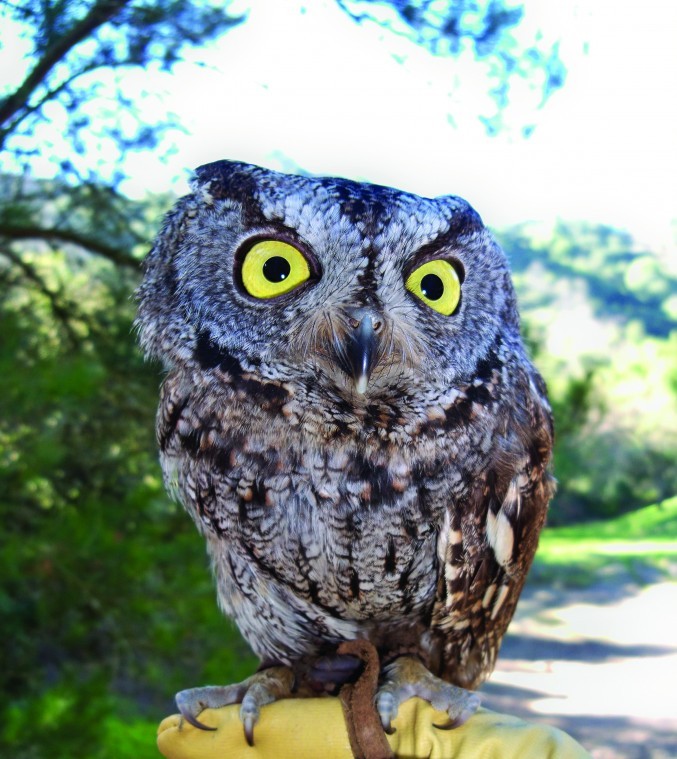
Owlivia is WERC’s newest animal ambassador
Last year, the Wildlife Education and Rehabilitation Center's Oscar, the screech owl who had been a popular educational animal at WERC since 1996, passed away on Easter Sunday. Several months later, WERC put out a notice to other wildlife rehabilitation centers that it was interested in acquiring another screech owl to join its educational animal ambassadors - non-releasable birds, mammals and reptiles that visit schools and public events to teach children and adults about our local native wildlife and habitats.
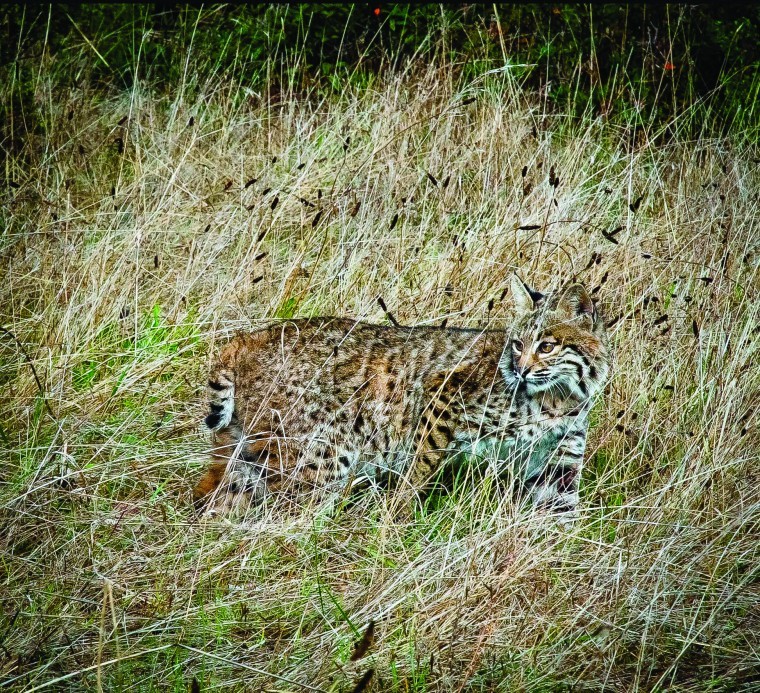
Rehabilitated bobcat finds freedom again
Early in June, Daniel Pierce was biking along the Sawyer Camp trail above Crystal Springs Reservoir (near Burlingame) when he was startled to come upon a bobcat kitten along the wayside. The tiny animal was weak, starving, possibly sick and could barely stand. Daniel was worried that the kitten was orphaned and might die if not rescued. He quickly called several local wildlife centers for advice on how to handle the situation and was told to contact the Wildlife Education and Rehabilitation Center in Morgan Hill because WERC is nationally renowned for rehabilitating orphaned bobcat kittens.

Golden-crowned sparrow on road to recovery
Nearly everyone recognizes the changing of the season when tree

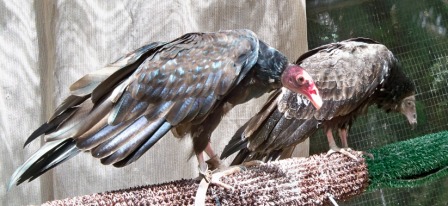
International Vulture Awareness Day is Sept. 3
This day was established in order to highlight worldwide vulture conservation and awareness. Vultures are critically important to the world's ecosystem, an ecologically vital group of birds that face a range of threats in many areas of the world. Populations of some species, such as the Cape Griffon vulture in Africa and the Oriental white-backed vulture of India, are even facing extinction. Many zoos and wildlife organizations throughout the world are actively participating in this event to prevent such catastrophic consequences
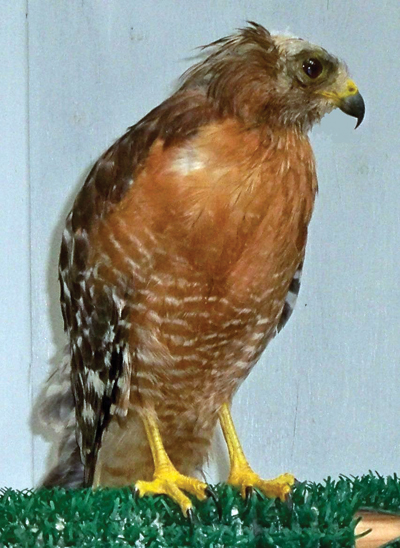
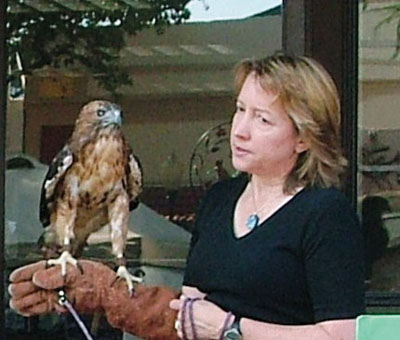
Animal ambassadors get a second chance
To be free or not to be free, that is the quandary. For those