

Tag: werc
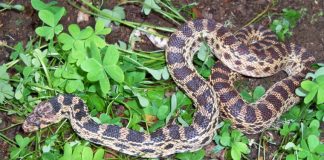
Drought will inevitably bring out snakes
Several months ago I wrote about the probable consequences to wildlife of the anticipated drought. The drought has now officially arrived, and there is no longer much hope for any significant rain for the next six months. When water is lacking, plants do not grow, insects and rodents do not thrive and large animals that eat small animals have a difficult time finding a meal.
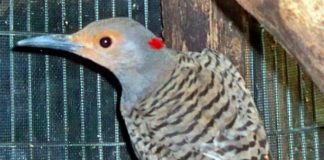
A flicker’s lucky day
Instead of enjoying a little nip of a Chardonnay still on the vine, this red-shafted northern flicker encountered wrath among the grapes when it was attacked by a couple of dogs in March at a Gilroy vineyard. A neighbor walking his own dogs witnessed the incident and called WERC for a rescue. After a careful search through the rows of trellised vines, the bird was located hiding deep inside a ground squirrel hole. Fortunately, the dogs didn’t seriously injure the flicker, but gave it a brusque shaking. Because there was an old wound on its neck, it’s possible the bird had been previously injured, which might explain how the dogs were able to catch it.
Mother knows best
I received a telephone call last week from the receptionist of a local business who had questions about a hummingbird nest outside her office window. The hummingbird had built a nest in a camellia tree and laid two eggs, which had hatched two days before. However, the mother hummer had not been seen since, and her entire office was worried about the baby birds.
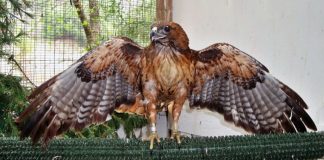
Banding important for birds
The splendid red-tailed hawk was flying over the fields of Coyote Valley … with a band on. Early in February, the hawk was discovered along the side of Santa Teresa Boulevard unable to fly but with no apparent external injuries.
Development hinders wildlife migration
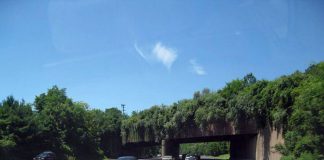
I am willing to bet that most people have a fence somewhere on their property. Perhaps their yard, like mine, is surrounded by a fence. Sometimes fences are needed to contain pets or livestock, and sometimes they are constructed to exclude unwanted animals, such as deer. Some fences provide security for the occupants. All of these are valid reasons for constructing a fence, but whatever the reason, a fence will likely have an effect on wildlife.
Saving our wildlife from human harm
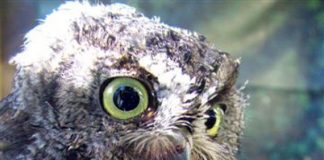
Call it the Circle of Life or Survival of the Fittest - wild animals in the wilderness die of starvation, diseases and predators. This is a natural part of life and most wildlife rehabilitators take a hands-off approach and let nature take its course. For instance, at Ano Nuevo I saw baby elephant seals lying on the beach in extreme distress. The ranger explained marine mammal organizations don't rescue these animals, as heartbreaking as the situation is. Instead, their mission is to rescue those creatures harmed due to human causes, such as caught in fishing nets and choked by plastic six-pack rings.
2013: Bad weather, good legislation
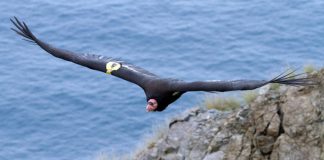
On this first anniversary of “Our Local World,” I want to take the opportunity to update some of the issues discussed in my columns of the past year.
Birds: Here’s looking at you
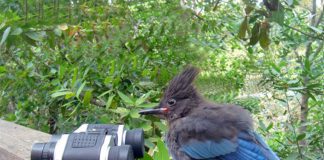
The south Bay Area is abounding with an astounding variety of avian life. The fascinating hobby of bird-watching allows you to discover and appreciate the marvelous diversity of wildlife all around us. At water's edge you may see a majestic great blue heron or a reclusive American bittern; you will learn how to tell the difference between great and snowy egrets; you might be surprised by a crested blue-and-white belted kingfisher suddenly diving into the water and emerging with a fish. Paddling on a creek or pond, you may see buffleheads (striking black and white ducks) or an elusive, gorgeous, multi-colored wood duck.

Feral cats are killing our native birds
Full disclosure: I love cats. My family had pet cats for much of my childhood. However, there are far too many feral cats - cats that were once domesticated but have returned to the wild, or ones born in the wild - out there.
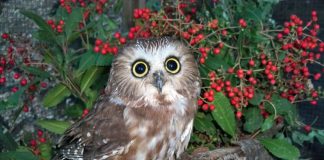
WERC’s new animal ambassador needs a name
Say hello to our little friend … a tiny northern saw-whet owl who has just joined the Wildlife Education and Rehabilitation Center's educational animal ambassador team. It's true that the best presents come in small packages!