
With elections just around the corner voters should be asking
themselves what they want from their elected officials rather than
letting the candidates dictate the agendas.
With elections just around the corner, voters should be asking themselves what they want from their elected officials rather than letting the candidates dictate the agendas. I’m convinced that the one indispensible attribute of a good a leader is foresight and, unfortunately, it’s usually in short supply. The common term for having foresight is getting ahead of the power curve; far too many elected officials lack foresight. They are reactors.
Reactors only get to work after the damage has been done. They make their bones by trying to limit the consequences of either bad decisions or lack of foresight. Good reactors are certainly useful because mistakes will always be with us, but leaders with foresight are essential. Leaders with foresight will make the most of what we have and prepare for the future; they do not have to spend so much time and treasure repairing the damage because they avoided it.
Just think of where we would be if those running the city had paid sufficient attention to the water and wastewater infrastructure during the growth spurt instead of absorbing the enormous consequences and never-ending excuses provided by their failures. Suppose the county’s planning process had been streamlined 10 years ago when the system started to bog down, instead of sometime – we still don’t know when – in the future.
Foresight goes beyond seeing the future; it also involves being concerned with the future you leave others. There is no trick in buying labor peace for promises that will come due long after you’re retired; it’s both easy and irresponsible. Yet we see it all the time – elected officials who are more than willing to pass the pain to the next administration or the next generation so they can declare their term in office a success.
Those running for office have learned that there is no such thing as being too optimistic and this has blinded them, especially incumbents, to the consequences of the bad decisions made by government. I say especially incumbents because they are often the most vested and compromised; in too many cases they have become the bedrock of institutions they promised to change – too many are enthusiastic defenders of the status quo.
What can the voter do? The most important thing is to talk to the candidates, ask them tough questions and draw them out on the issues. Sometimes for better and sometimes for worse there is more to them than the posed pictures and the buzzwords the paid political consultants sprinkle on the brochures that stuff you mailbox. When you vote, you’re not buying grocery shopping for dinner. You’re usually going to be stuck with the winner for years to come – that’s a long time to suffer buyer’s remorse.
Voters place too much value on incumbent claims of knowing how the system works, after all, every one of them had to start at the beginning sometime; likewise, merely being an outsider does not mean a candidate will make a good official. It still boils down to the basics – do they have a vision for the future, are they willing to work hard to advance that vision, are they tough enough to say no when required and force a yes when necessary or are they just going to be comfortable playing to their narrow constituencies to get elected?
I hope the electorate will be more demanding on every level because our quality of life depends on the ability of our political institutions – our elected representatives – to see and deal with the future. We will know the answers in the fullness of time.
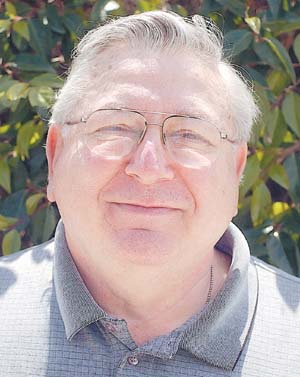
Marty Richman is a Hollister resident.