
Hazel Hawkins Memorial Hospital has launched a pilot weapons detection and screening program as part of an effort to strengthen workplace safety and prepare for new state requirements aimed at reducing violence in healthcare settings, according to hospital officials.
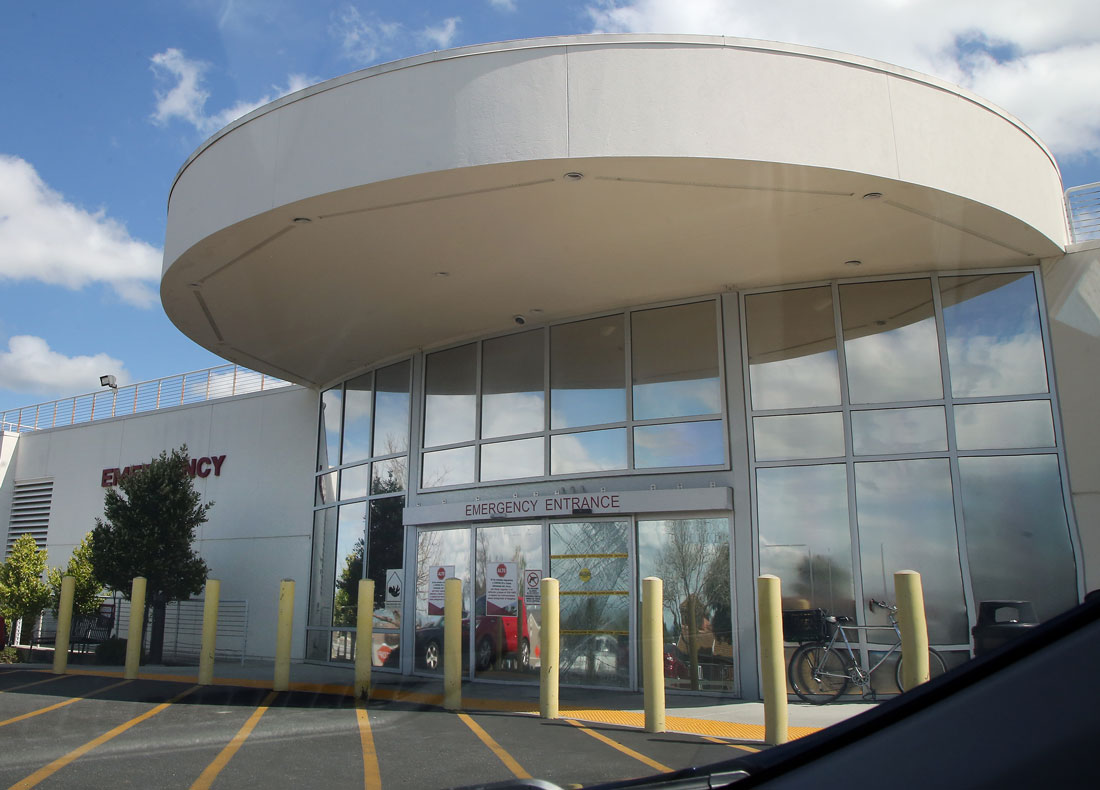
The screening program began May 26 at the Hollister hospital’s emergency department lobby entrance. The program includes new walk-through detection systems, handheld screening devices and inspections of bags and personal belongings, HHMH officials said in a press release.
The initiative is part of the hospital’s plan to comply with California Assembly Bill 2975, which takes effect in March 2027. The state law requires healthcare facilities to adopt enhanced workplace violence prevention measures.
“This program reflects our commitment to maintaining a safe environment for everyone who enters our facility,” said Dale Fors, HHMH security manager. “By taking proactive steps to reduce potential risks, we can better protect our patients, visitors and staff while preserving access to essential care.”
Hospital staff said the screening process is designed to be quick and minimally disruptive to patients and visitors. Additional screenings may be conducted if deemed necessary by security personnel.
Clear signage has been posted at the screening locations in and around HHMH. Hospital administrators said the pilot program will be evaluated before expanding similar systems to the main entrance and the hospital’s Women’s Center entrance.
Prohibited items include firearms, explosives, knives, chemical agents, illegal drugs and other materials considered safety risks or disruptive to hospital operations, says the press release.
Hospital leaders emphasized that emergency medical care will not be withheld from patients who refuse screening.
According to HHMH staff, people who decline to participate may choose to leave the premises, but patients who require emergency treatment will continue to receive care while alternative safety precautions are implemented.
If prohibited items are discovered, individuals will be informed of hospital policy and asked to remove the items from the property. Law enforcement may be contacted if items are illegal or considered threatening.
Limited exemptions apply to law enforcement officers, authorized security personnel and certain district employees using approved tools within the scope of their duties.
Hospital officials said they plan to gather community feedback throughout the pilot phase to ensure the program remains effective and respectful while balancing public access with workplace safety concerns.